AI/ML
See how machines actually learn.
Click the canvas, add your own data, and watch a real model redraw its decision boundary. Then pick an article and keep going.
Explore the articles
Search by name, or filter by topic and difficulty.

Linear Regression from Scratch
Build and understand linear regression step by step from the math to working code.


Multiple Linear Regression Explained"
Learn how multiple input features work together to predict a continuous target using multiple linear regression.

Polynomial Regression Explained
Discover how polynomial regression models nonlinear relationships by adding powers of input features.


Ridge Lasso and Elastic Net Explained
Compare three regularization techniques that help control model complexity and reduce overfitting in regression.

Regression Evaluation Metrics: MAE MSE RMSE and R²
Learn how MAE MSE RMSE and R-squared measure regression performance and when to use each metric.

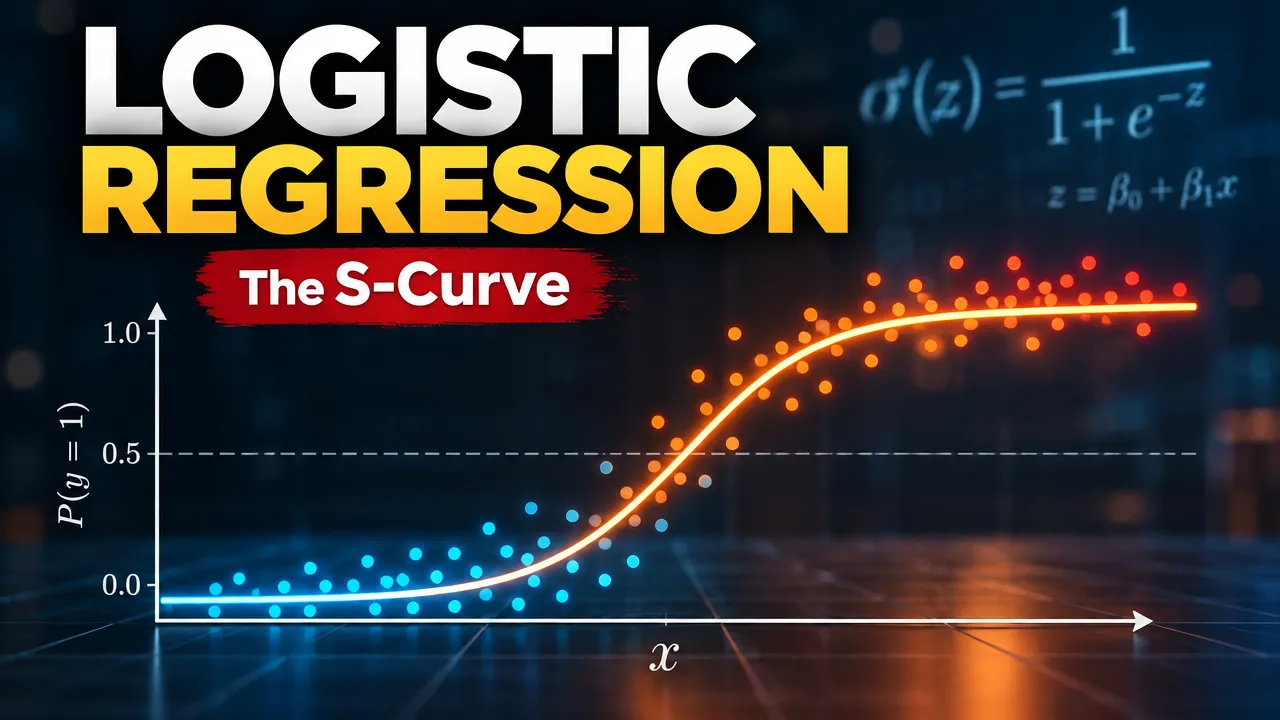
Logistic Regression Explained
Understand how logistic regression estimates class probabilities and makes classification predictions.

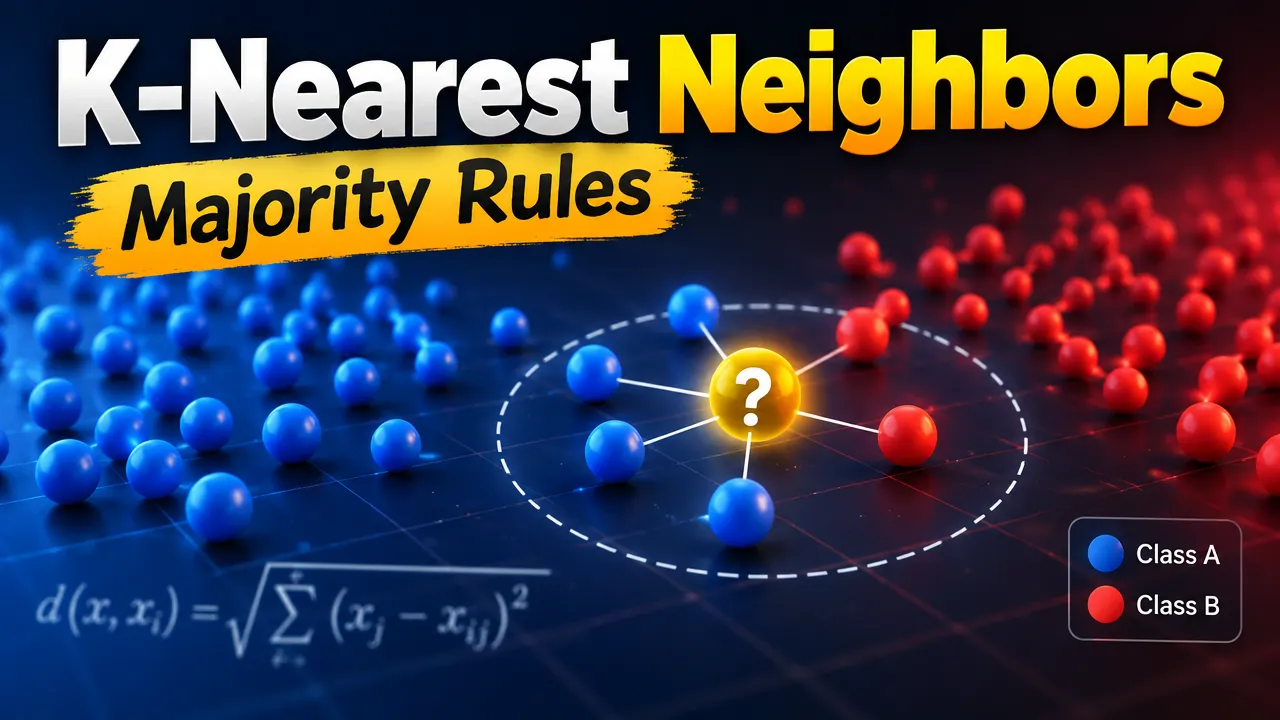
K-Nearest Neighbors (KNN) Explained
Learn how KNN classifies data using nearby examples and explore the effect of choosing different values of K.


Naive Bayes Explained
Discover how Naive Bayes uses Bayes theorem and feature probabilities to classify data efficiently.

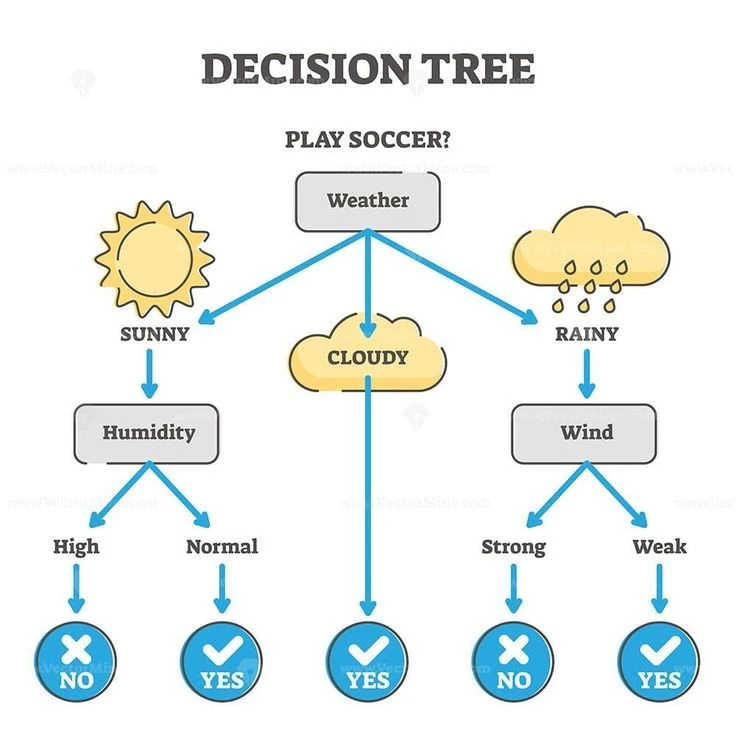
Decision Trees Explained
Explore how decision trees split features into branches to make predictions and how tree depth affects overfitting.

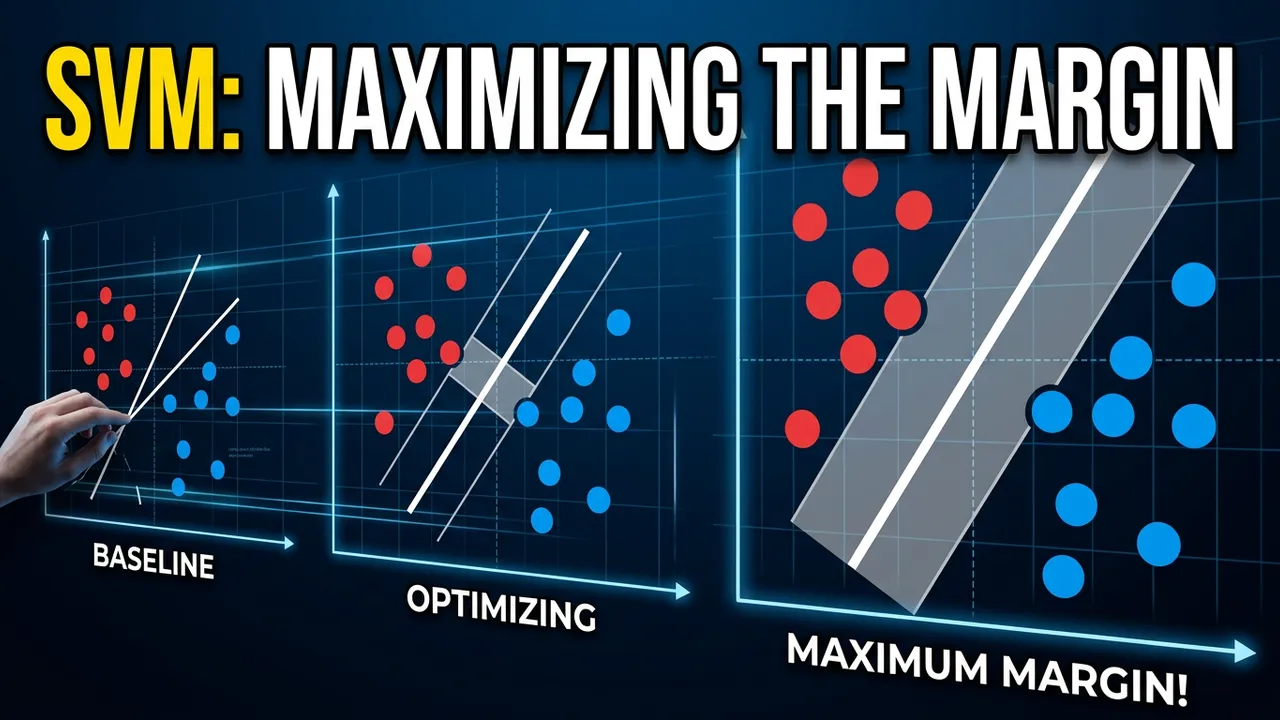
Support Vector Machines (SVM) Made Simple
Understand SVM decision boundaries maximum margins support vectors and kernels with intuitive examples.
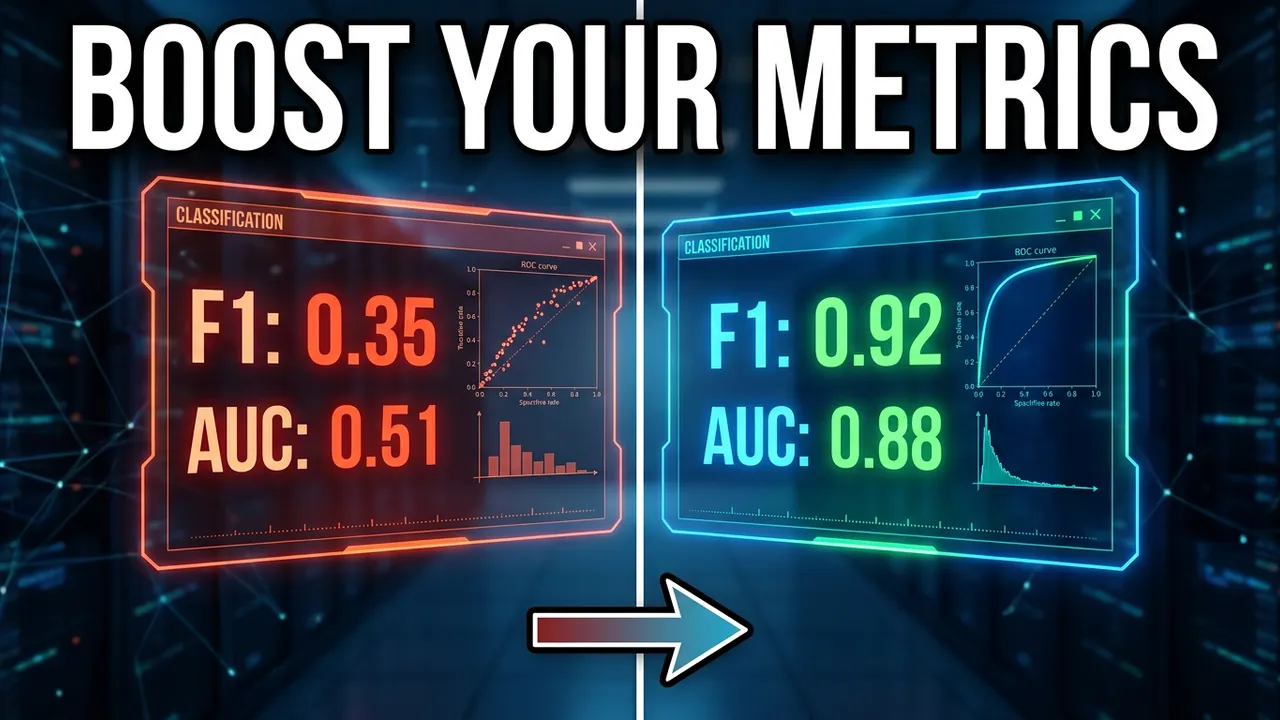
Classification Evaluation Metrics Explained
Learn how accuracy precision recall F1-score and ROC-AUC help evaluate classification models.

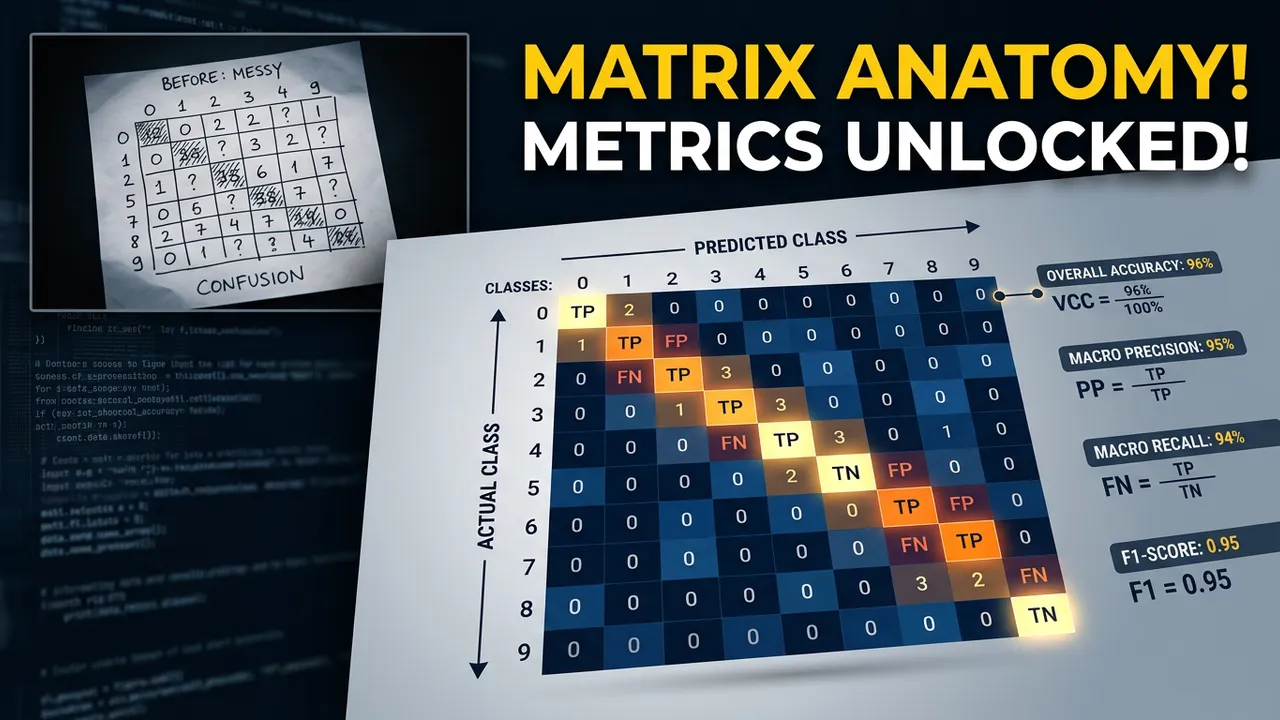
Confusion Matrix Explained
Understand true positives true negatives false positives and false negatives using a practical confusion matrix.


Dimensionality Reduction Explained
Learn why dimensionality reduction matters and how it can simplify high-dimensional data for visualization and machine learning.

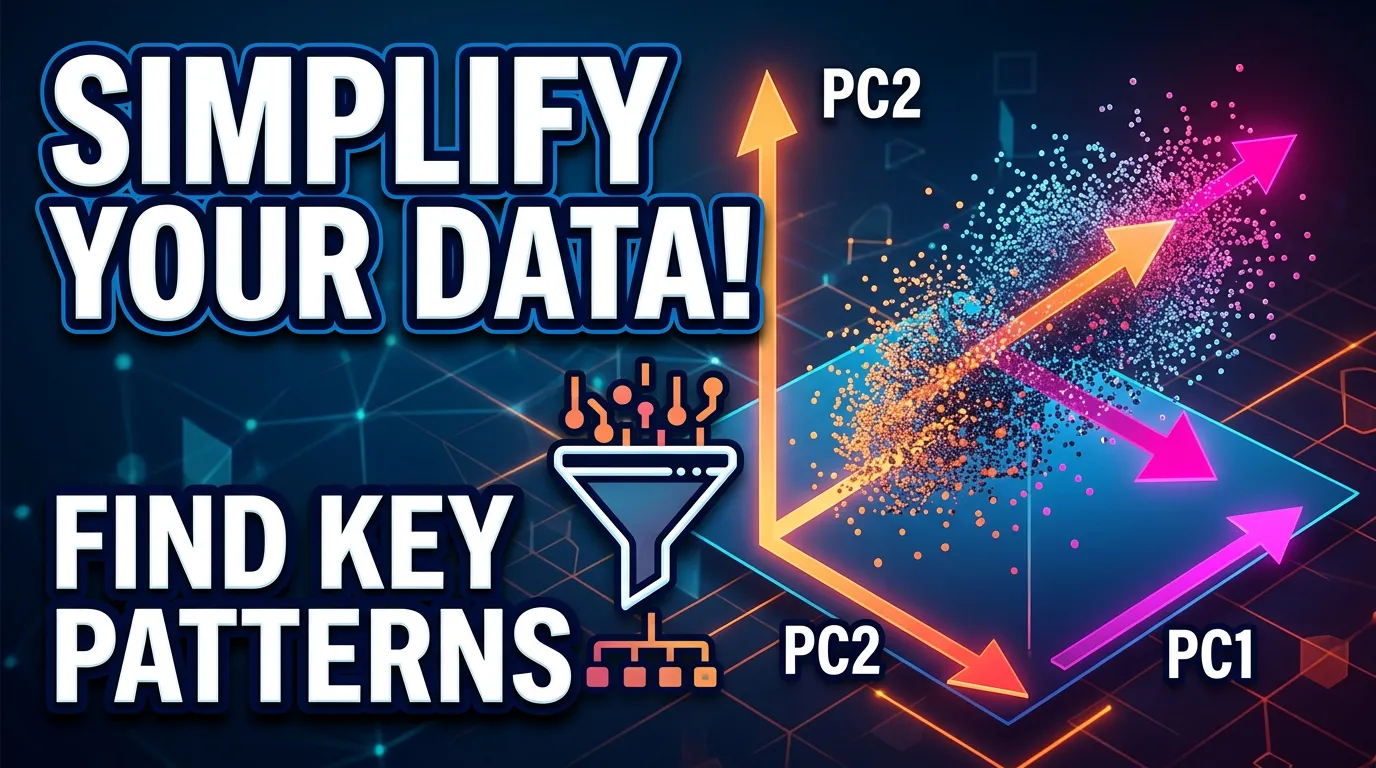
Principal Component Analysis (PCA) Explained
Understand how PCA finds directions of maximum variance to represent high-dimensional data using fewer features.


Clustering in Machine Learning: An Overview
Explore unsupervised clustering and how it groups similar data points and when to use different clustering algorithms.

K-Means Clustering Explained
Learn how K-Means assigns data points to clusters updates cluster centers and helps discover patterns in unlabeled data.

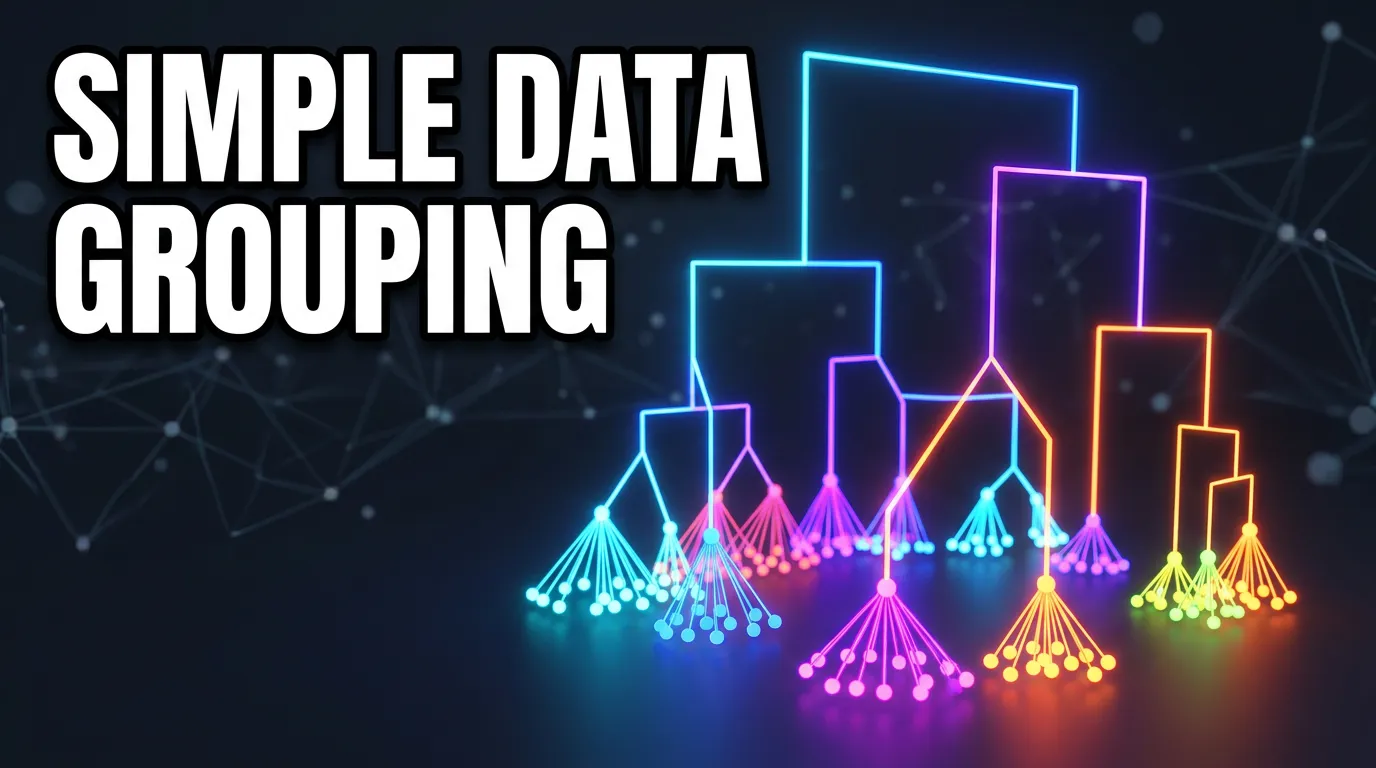
Hierarchical Clustering Explained
Understand agglomerative and divisive clustering dendrograms and how hierarchical methods reveal nested data groups.
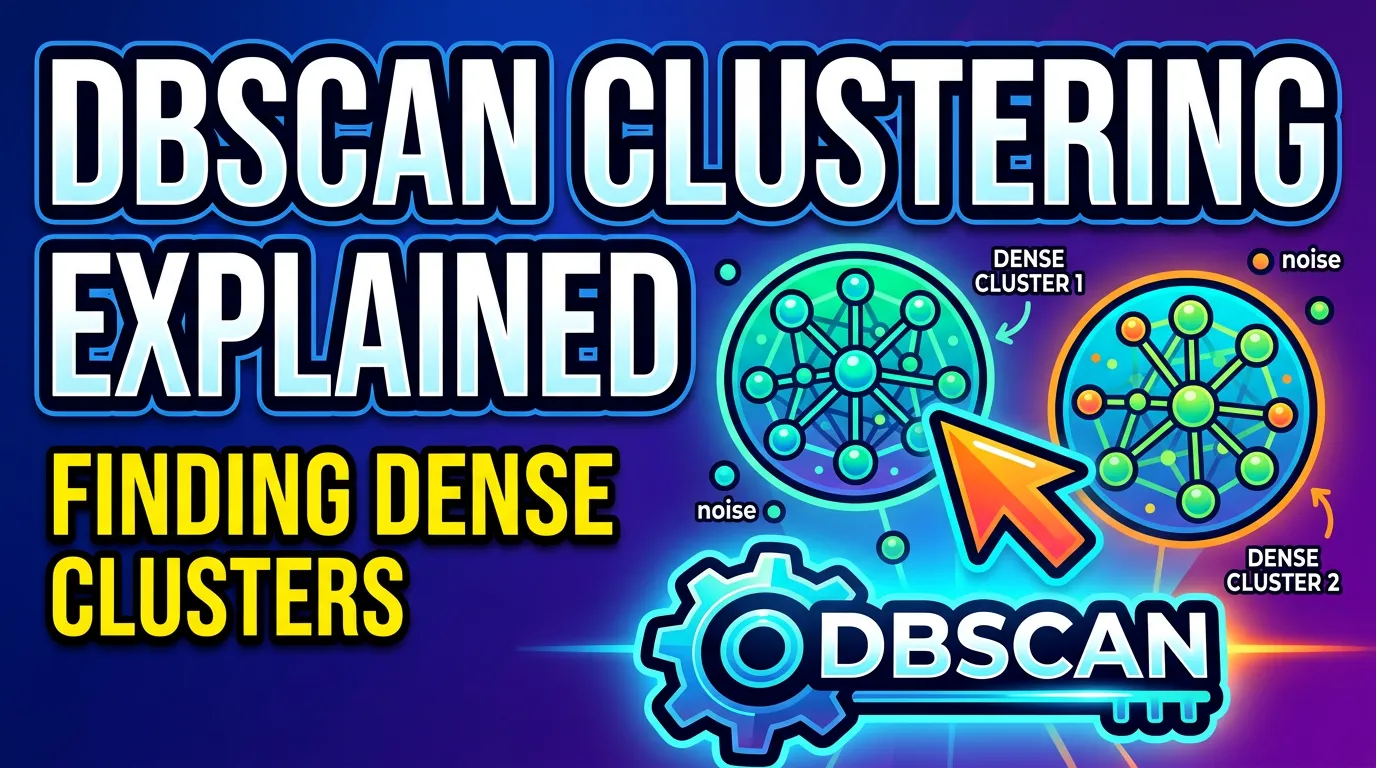
DBSCAN Clustering Explained
Discover how DBSCAN identifies dense clusters and noise without requiring you to specify the number of clusters beforehand.

Dimensionality reduction
Real data often has dozens or thousands of features but its structure can live in far fewer.


t-SNE
Turn 10-dimensional data into a 2D map by keeping neighbours close. Watch the points slide into place then learn which parts of the picture you can trust and which you cannot.

Principal Component Analysis (PCA) Explained
Understand how PCA finds directions of maximum variance to represent high-dimensional data using fewer features.
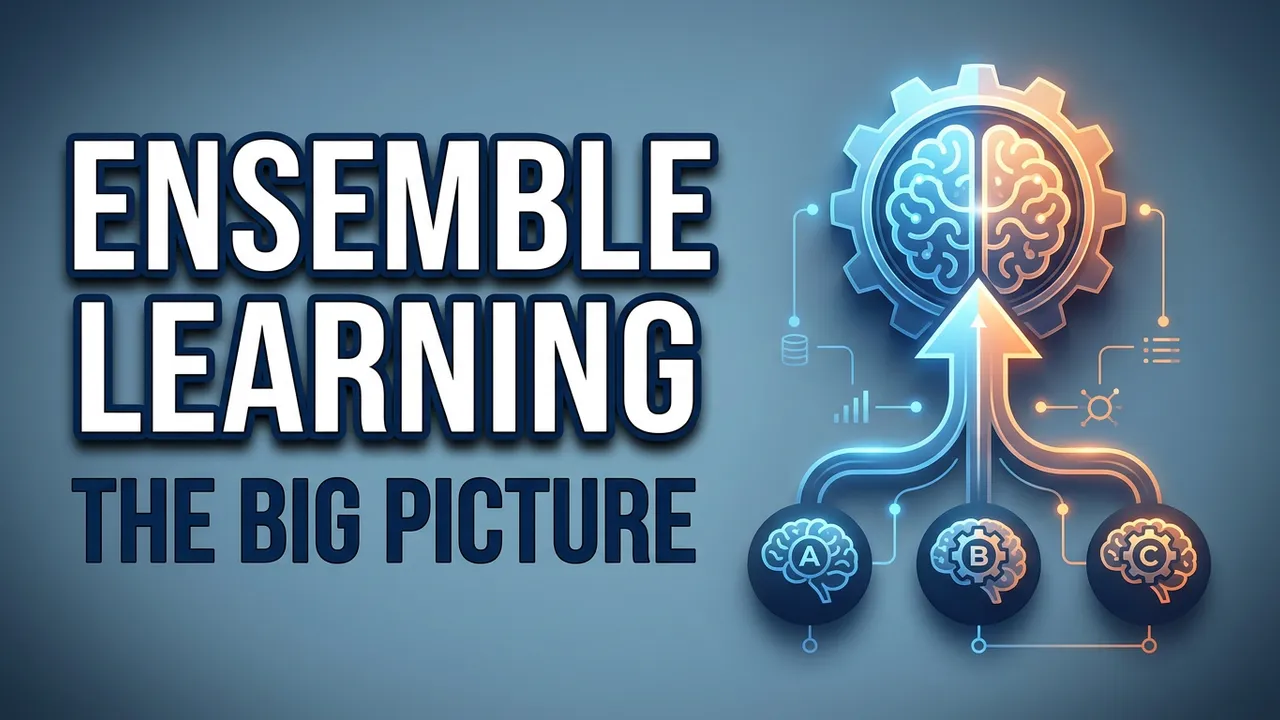
Ensemble Learning: Bagging Boosting and More
Learn how ensemble learning combines multiple models to improve predictive performance and explore its major approaches.


Bagging in Machine Learning Explained
Understand how bootstrap sampling and model aggregation help reduce variance and improve prediction stability.


Boosting in Machine Learning Explained
Discover how boosting combines weak learners sequentially to build a stronger predictive model.


AdaBoost Explained
Learn how AdaBoost adjusts the importance of training examples to improve classification performance across successive learners.


Random Forest Explained
Understand how Random Forest combines many decision trees to produce more robust predictions for classification and regression.


Gradient Boosting Explained
Learn how gradient boosting builds models sequentially correcting earlier errors to improve predictions.


XGBoost Explained: Extreme Gradient Boosting
Explore how XGBoost combines gradient boosting regularization and efficient training to build powerful predictive models.


LightGBM Explained
Discover how LightGBM uses histogram-based learning and leaf-wise tree growth for efficient gradient boosting.


CatBoost Explained
Learn how CatBoost handles categorical features and uses ordered boosting to help reduce prediction bias.

t-SNE
Turn 10-dimensional data into a 2D map by keeping neighbours close. Watch the points slide into place then learn which parts of the picture you can trust and which you cannot.
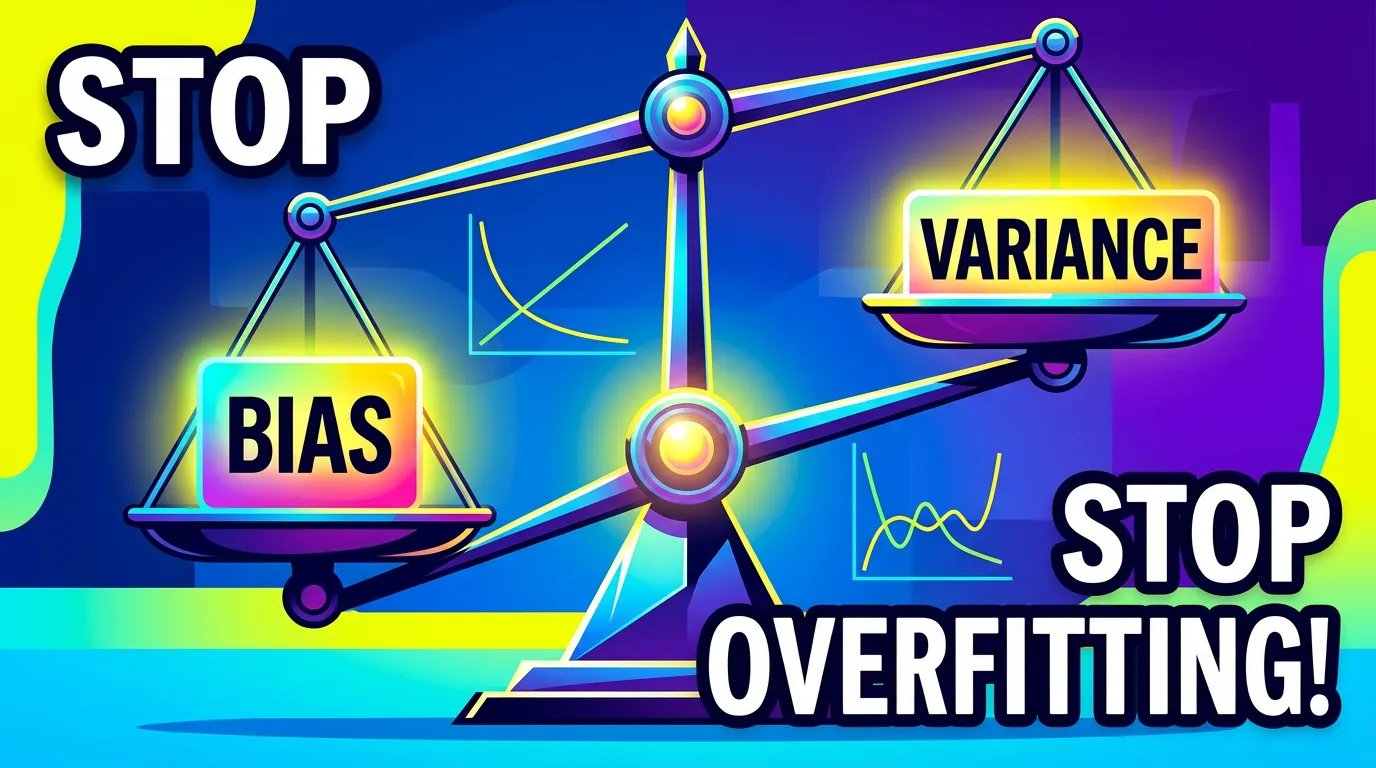
Bias-Variance Tradeoff Explained
Understand how bias and variance affect model performance and how to balance underfitting and overfitting.

Hyperparameter Tuning Explained
Learn what hyperparameters are and how tuning them helps improve machine learning model performance and generalization.

Grid Search and Random Search Explained
Compare grid search and random search to understand how they explore hyperparameter combinations and find effective model settings.


Gradient Descent Explained
Explore how gradient descent minimizes a model's loss by updating parameters step by step in the direction of the negative gradient.

Learning Rate and Optimization Techniques Explained
Understand how learning rates affect convergence and compare batch gradient descent stochastic gradient descent mini-batch gradient descent momentum and Adam.
No articles found
Try a different search, topic or level.
Follow the learning path
Not sure where to begin? Click a step to see its articles.
Test yourself
Four quick questions. No sign-up.